Candidate preparation guide
Detective Exam Questions: What to Expect
This article addresses the specific search for “detective exam questions” with decisions, examples, and checks tied to the named role, assessment, or hiring route.

Quick answer
Detective and investigator exams vary by department and may be entry-level, assignment-based, or promotional. Common preparation areas include extracting facts from case files, ordering events, applying written policy, evaluating evidence without assumptions, and producing clear reports. Start with the exact announcement and reading list for your exam because local law and policy content cannot be generalized safely.
First identify which detective exam you are taking
An entry route for an investigator role is different from a promotional process for experienced officers. Record who administers the exam, whether a reading list is supplied, which materials are testable, how scenarios are scored, and whether seniority or other components affect the final list. Do not buy a generic question bank until you can map it to those facts.
Case-file comprehension
These questions reward disciplined reading. Build a one-page case map with people, times, locations, actions, source of each fact, and unresolved gaps. Mark a claim as confirmed only when the file supports it. A witness statement, an officer observation, and an inference may point in the same direction but they are not the same kind of information.
Worked chronology example
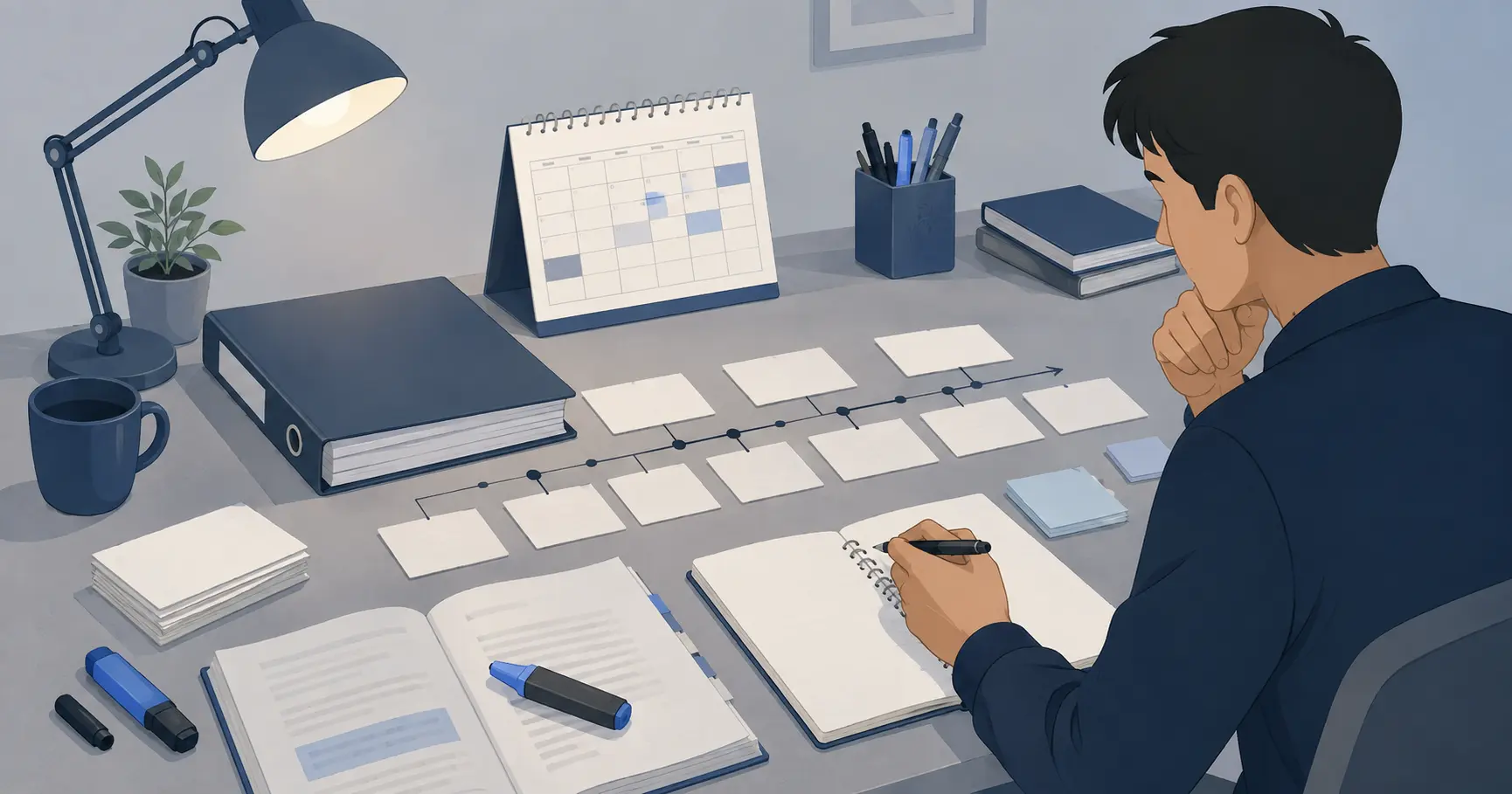
A log records a call at 14:08, unit arrival at 14:19, a witness interview at 14:31, and evidence packaging at 15:02. If a statement says the interview occurred before arrival, it is contradicted by the record. The efficient method is to place every timed event in order before answering, then check whether the question asks what happened first, what could have happened, or what is documented.
Worked evidence-logic example
A report says a window was open and the room was cold. It does not establish that the open window caused the temperature, who opened it, or when. A strong answer separates observation from explanation. Practice writing 2 columns labeled 'documented' and 'inferred'; move an item to documented only when you can cite the sentence that proves it.
Policy and supervisory judgment
If policy is examinable, learn its decision points rather than memorizing isolated sentences. For each section, identify the trigger, required action, deadline, notification, documentation, and exceptions. Scenario answers should be anchored to the supplied authority and the facts in the question, not to television procedure or a rule from another department.
A practical 3-week study cycle
Week 1: map the official syllabus and build case-file accuracy. Week 2: add policy retrieval and short report exercises. Week 3: complete timed mixed sets and review every error by cause—missed fact, sequence error, unsupported inference, policy recall, or rushed wording. That diagnosis tells you what to repeat.
Build a timed case-file drill
Create a chronology from an original file, label each statement as documented or inferred, and write a neutral summary under the exam's published time limit.
Continue preparingFrequently asked questions
Are detective exams the same nationwide?
No. Content, eligibility, source materials, and scoring are set by the department or civil-service system.
Should I memorize criminal law for a detective exam?
Only study law or policy identified by the official announcement or reading list. Generic legal questions may not match your jurisdiction or exam.
What is the safest practice focus?
Case-file reading, chronology, evidence-versus-inference, concise writing, and fast retrieval from authorized source material are broadly useful.
Keep preparing
 police examThe Complete Police Exam GuideRead the guide ->
 police examPolice Exam Study GuideRead the guide ->
 verbal reasoningFree Police Verbal Reasoning Practice TestRead the guide ->
 police examPolice Sergeant Exam Questions: Practice Exam & Study GuideRead the guide ->police examDetective Exam Practice Test: Free Investigative Reasoning QuestionsRead the guide ->